Useful Term Life insurance Riders
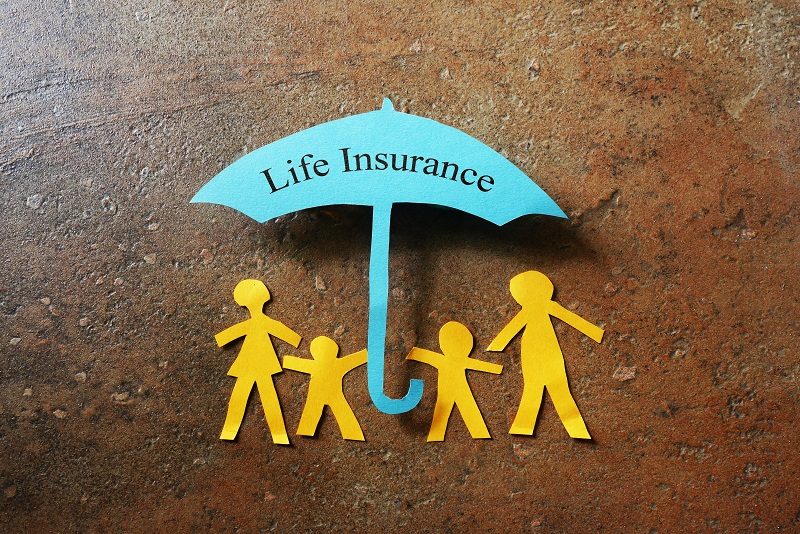
You buy term life insurance because it’s simple. The premium commitment is low, and the death benefit is guaranteed. However, sometimes, you need more than basic benefits. You need term life insurance riders – modifications to the basic policy. Here are a few that you might find especially useful.
Waiver of Premium
What happens when you become disabled? Your term insurance premiums still need to be paid. Unfortunately, term life insurance is one of those things that people tend to forget about when money is tight. These term life insurance riders waive the premium payment for you when you’re injured or sick and cannot work.
It’s especially useful on longer-term insurance policies where the odds of you becoming disabled increase. The rider waives the premium requirement for as long as you’re disabled up to the policy’s benefit limits.
If you die while disabled, the policy will still pay the death claim.
Guaranteed Insurability Rider
The risk with term insurance is that your policy term might end and you won’t qualify for another policy due to poor health. Guaranteed insurability term life insurance riders are an effective way to “peek into the future” – guaranteeing you additional insurance later on when you need it.
The insurance company will usually base the premium for future policies on your age, but not your health. So, while your premiums will rise, they will only be tied to your age. Even if you do still qualify for future coverage, your health might negatively impact future premiums. The guaranteed insurability rider guards against this uncertainty.
Term Conversion Rider
Ultimately, you want to have some money set aside to pay for final expenses, including burial or cremation and funeral costs. A final expense policy is usually what people buy, but a term conversion rider makes this a lot simpler.
When your term is up, you have the option to convert your policy to a permanent one with this rider. The insurer may take into account your age when converting the death benefit and adjusting the premium payments.
Usually, to receive the same or similar premium, you must lower the death benefit upon conversion because premiums are priced based on your age at conversion to a permanent policy. Because a whole life or universal life allows you to extend coverage into your extreme old-age, a conversion rider bypasses the risk that you won’t be able to buy insurance when you need it. Also, most states prohibit the purchase of life insurance after age 84 or 85 – which makes the conversion rider all the more useful.
Return of Premium Rider
One argument against buying term insurance is that you never see those premiums again. You pay in, faithfully, for years and years. At the end of the term, you’re left with a bunch of receipts and nothing else. The return of premium rider changes that.
While many term life insurance riders focus on expanding coverage options during the term of the contract, the return of premium rider provides you with benefits after the contract terminates.
If you pay every premium payment on time, the insurer will refund all of your payments, plus an additional amount of interest, when the policy terminates. In a sense, refund makes the policy “free” as long as you can make all premium payments on time.
Return of premium riders often allow you to specify the amount of interest you earn on your premiums, up to a maximum amount specified in the contract. The more interest you want to earn on your premium, the higher the term premium will be. In fact, return of premium policies usually have much higher premiums than ordinary term life contracts.
The Costs
Like all modifications to insurance contracts, there is a cost. Sometimes, the insurer only charges you when you use the rider. Other times, the insurer charges a flat extra premium for the duration of the contract. Keep this in mind when adding any riders to your base policy.